Journal
The Day the Mona Lisa Was Stolen: The 1911 Louvre Theft
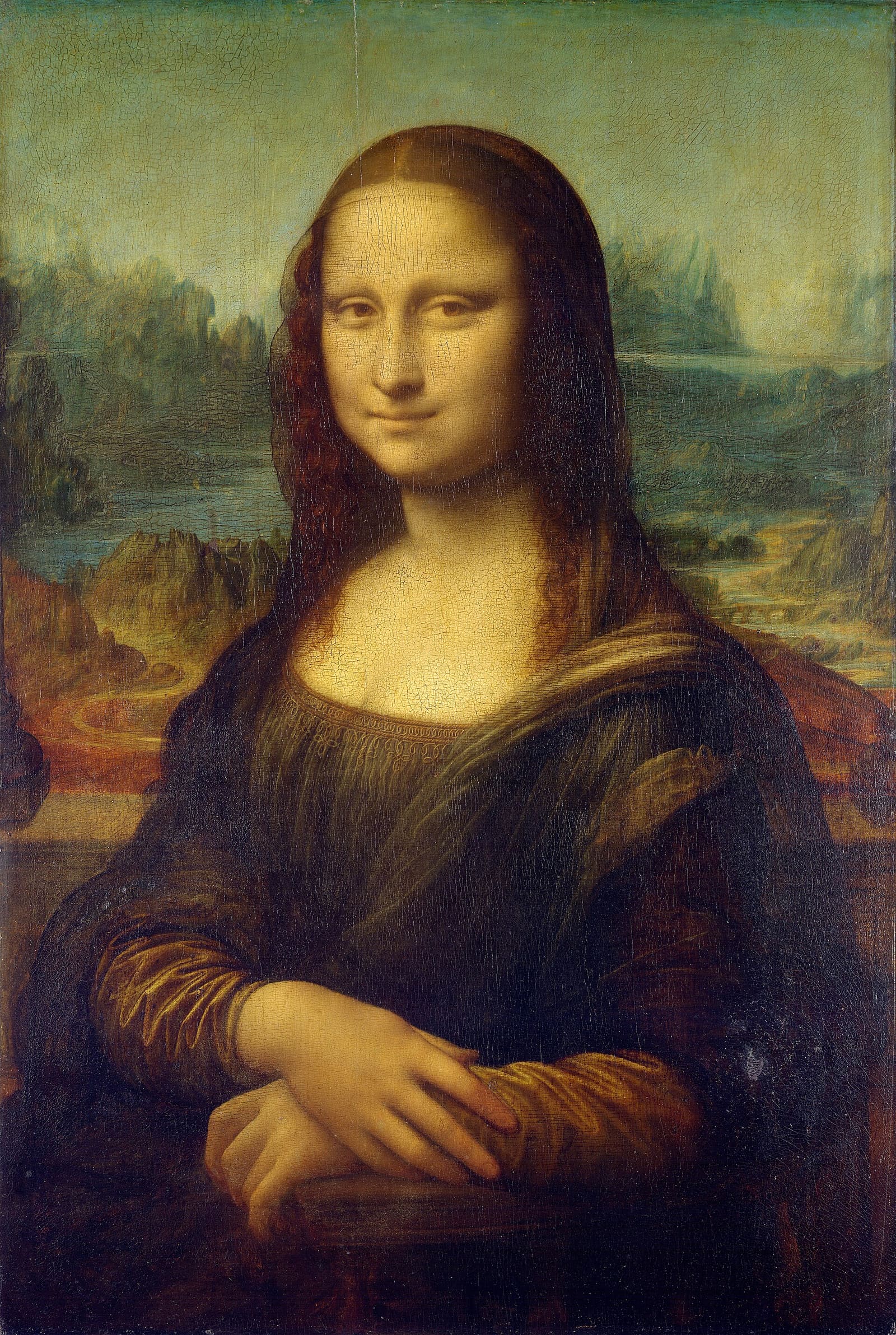
Today the Mona Lisa hangs behind bulletproof glass, and millions of people a year queue to see it. In 1911 it was a respected masterpiece of the Renaissance, but not yet a global celebrity. What made it the most famous painting in the world was, in large part, the day it disappeared.
A quiet Monday at the Louvre
On Monday 21 August 1911 the Louvre was closed to the public, as it was every Monday. Workmen moved freely through the galleries. Vincenzo Peruggia, a 29-year-old Italian handyman who had earlier worked at the museum, among other jobs helping to fit paintings with protective glass, knew the building and the routine. Accounts of the exact details differ, but by the most common telling, wearing the white smock of a museum worker, he lifted the small painting off its four iron pegs in the Salon Carré, carried it into a service staircase, removed the frame and glass, and walked out of the museum with the panel under his clothes.
Nobody noticed for a day
The theft went unnoticed for more than 24 hours. Guards assumed the painting had been taken away to be photographed. Only on Tuesday, when the painter Louis Béroud arrived to sketch in the gallery and found the empty pegs, did the alarm go up. The Louvre closed for a week, the borders were watched, and newspapers around the world ran the story on their front pages. When the museum reopened, crowds came to stare at the empty space on the wall.
The wrong suspects
The police investigation went badly. Suspicion fell on the poet Guillaume Apollinaire, whose former secretary had earlier stolen small Iberian statuettes from the Louvre, some of which had been sold to Pablo Picasso. Apollinaire was arrested in September 1911 and spent several days in jail; Picasso was questioned. Neither had anything to do with the Mona Lisa, and Apollinaire was released.
Two years in a trunk
Meanwhile the painting sat in Peruggia’s room in Paris, hidden in a trunk. In late 1913 he wrote to Alfredo Geri, an antiques dealer in Florence, offering to bring the Mona Lisa home to Italy. Peruggia traveled to Florence with the painting, and Geri brought along Giovanni Poggi, director of the Uffizi Gallery, to examine it. They confirmed it was genuine, and Peruggia was arrested at his hotel in December 1913.
A patriot or a thief?
Peruggia claimed he had acted out of patriotism, to return a stolen Italian treasure. He seems to have believed that Napoleon had looted it. In fact Leonardo da Vinci took the painting to France himself and it passed into the French royal collection after his death. Many Italians nonetheless saw Peruggia as a hero, and he received a light sentence of about a year, reduced on appeal to roughly seven months.
Before it went back to Paris, the Mona Lisa was exhibited in Florence, Rome and Milan to huge crowds. It returned to the Louvre in January 1914.
How the theft made the Mona Lisa famous
Before 1911, the Mona Lisa was admired mainly by artists and connoisseurs. Two years of headlines, postcards, cartoons and songs changed that. Her face had appeared in newspapers across the world, and by the time she came home she was a household name.
A more elaborate story, that a con man named Eduardo de Valfierno masterminded the theft in order to sell forged copies to collectors, first appeared in a magazine article in 1932. It has never been confirmed, and historians treat it as legend.
Frequently asked questions
Who stole the Mona Lisa?
Vincenzo Peruggia, an Italian handyman who had worked at the Louvre. He took it on 21 August 1911 and kept it in his Paris lodgings for more than two years.
How long was the Mona Lisa missing?
About two years and four months. It was stolen in August 1911 and recovered in Florence in December 1913, then returned to the Louvre in January 1914.
Was Picasso a suspect in the Mona Lisa theft?
He was questioned, as was the poet Guillaume Apollinaire, who was briefly jailed. Both were linked to an earlier theft of small statues from the Louvre, but neither had anything to do with the Mona Lisa.