Art Movements: A Timeline of Western Art History
Each movement in the order it happened, with the artists who led it and the works that defined it.
-
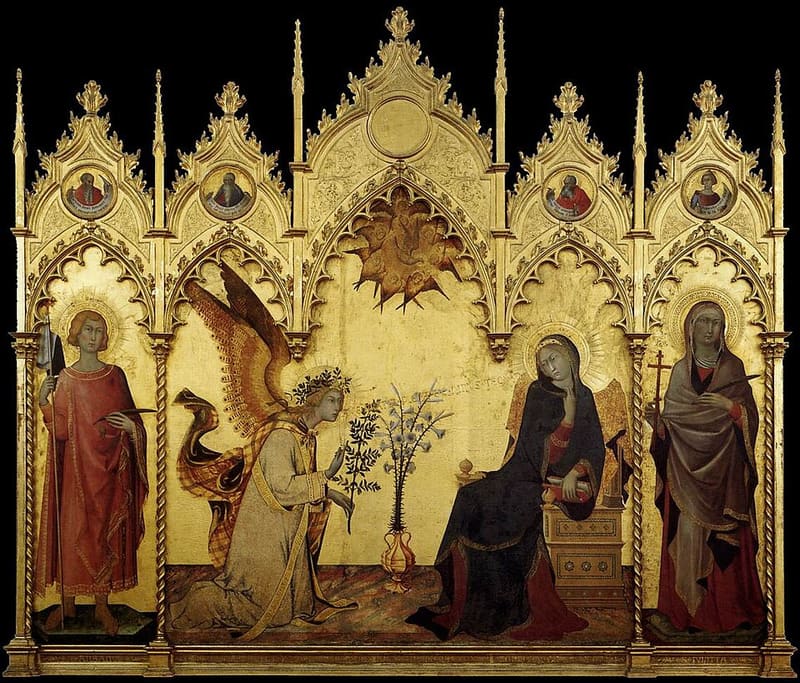
Gothic art c. 1140–1400 How Gothic art rose with the great cathedrals of 12th-century France, from stained glass to gold-ground painting, and how it led to the Renaissance.
-
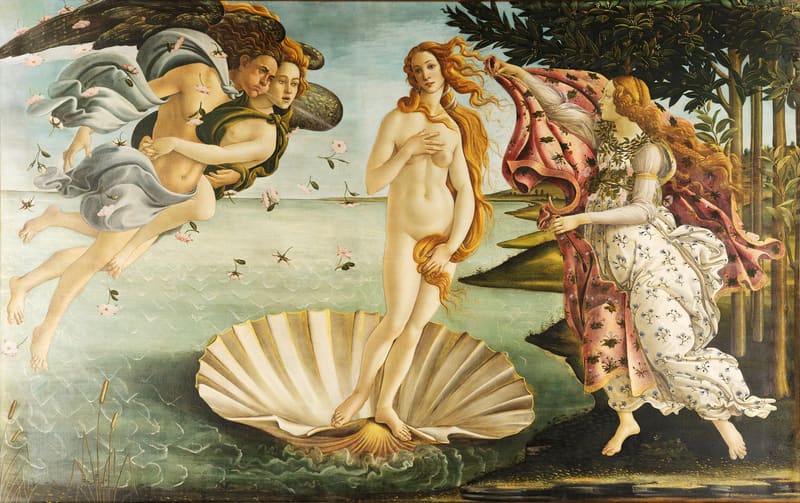
Renaissance c. 1400–1600 How Renaissance art began in 15th-century Florence, the techniques it invented, and the artists, from Leonardo and Michelangelo to van Eyck, who defined it.
-
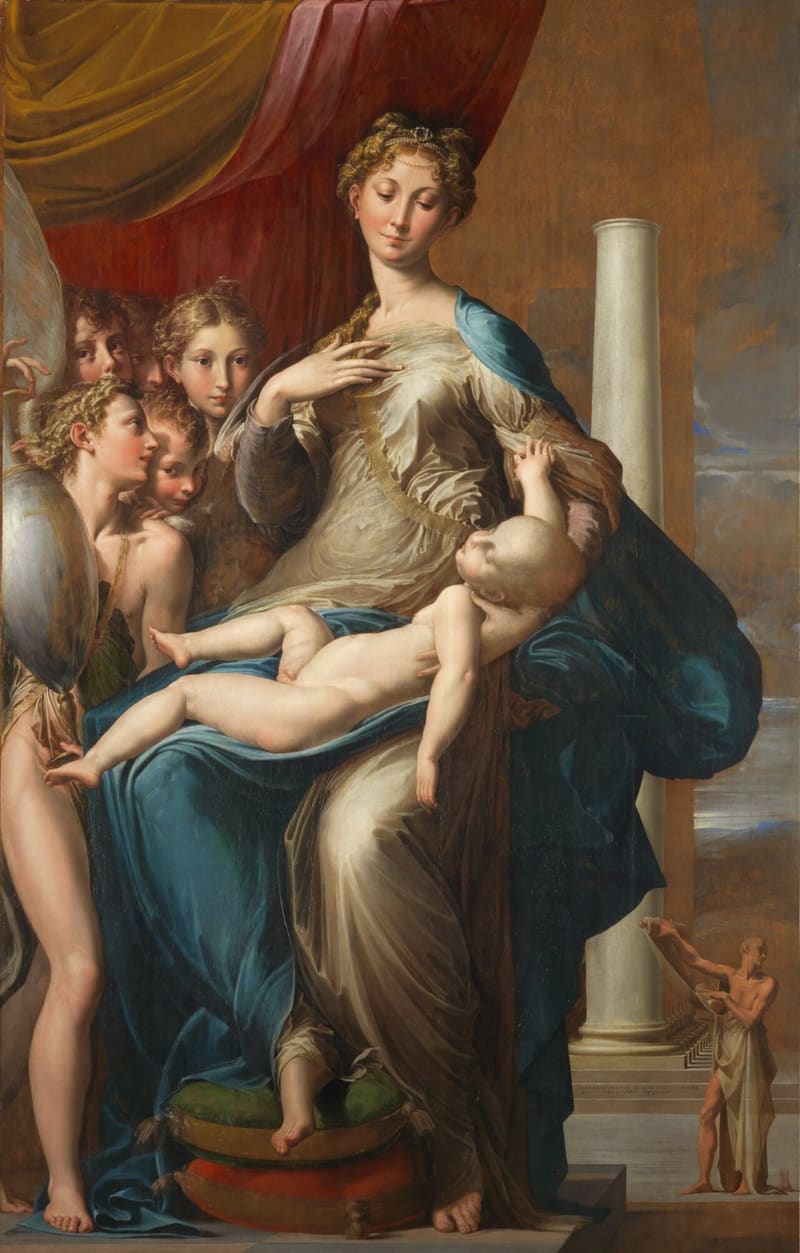
Mannerism c. 1520–1600 How Mannerism broke the calm balance of the High Renaissance with elongated figures, twisting poses and strange colors, from Pontormo to El Greco.
-
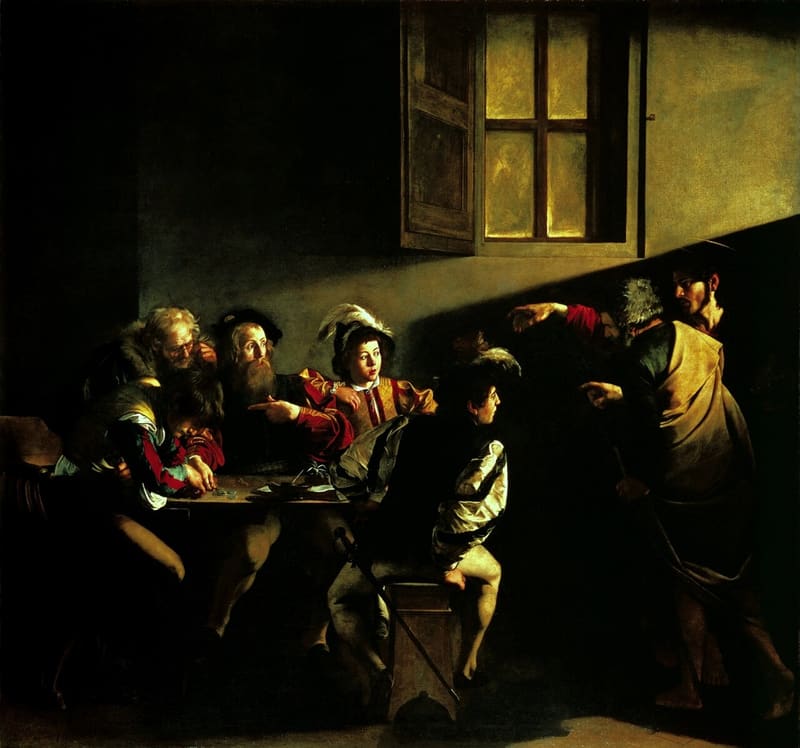
Baroque c. 1600–1750 How Baroque art grew out of 1600s Rome, the drama of light and movement that defines it, and the artists who led it, from Caravaggio and Bernini to Rembrandt.
-
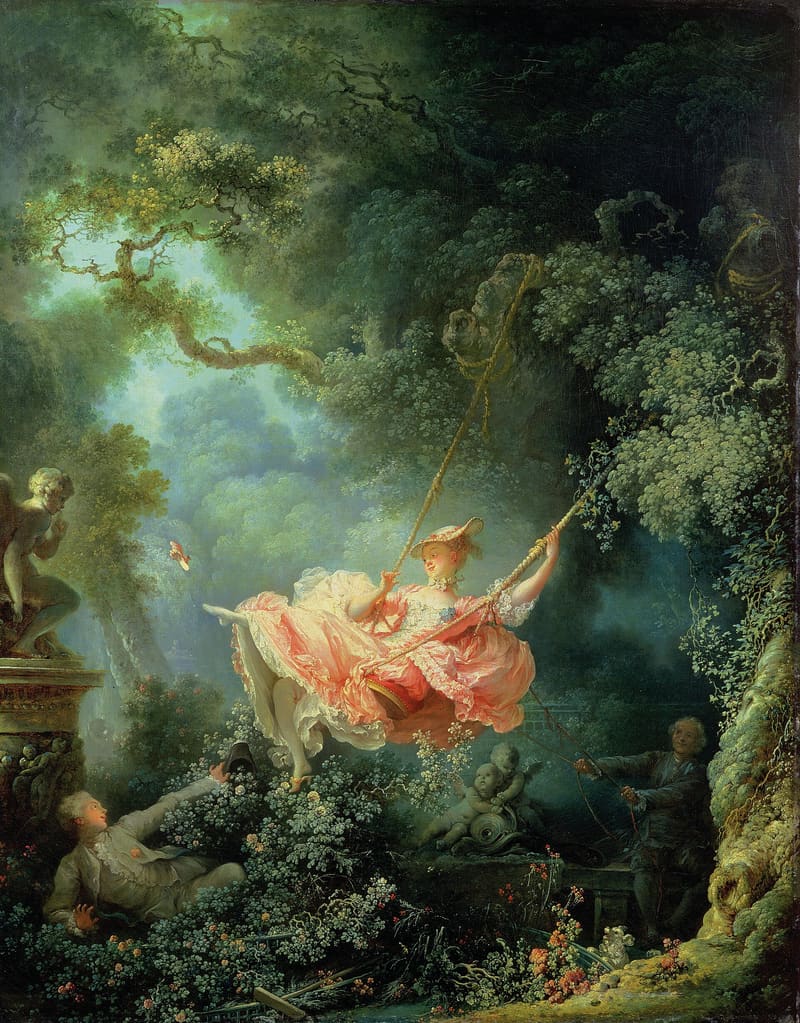
Rococo c. 1720–1780 How the playful, pastel Rococo style replaced Baroque grandeur in 18th-century France, its key artists from Watteau to Fragonard, and why it fell from favor.
-
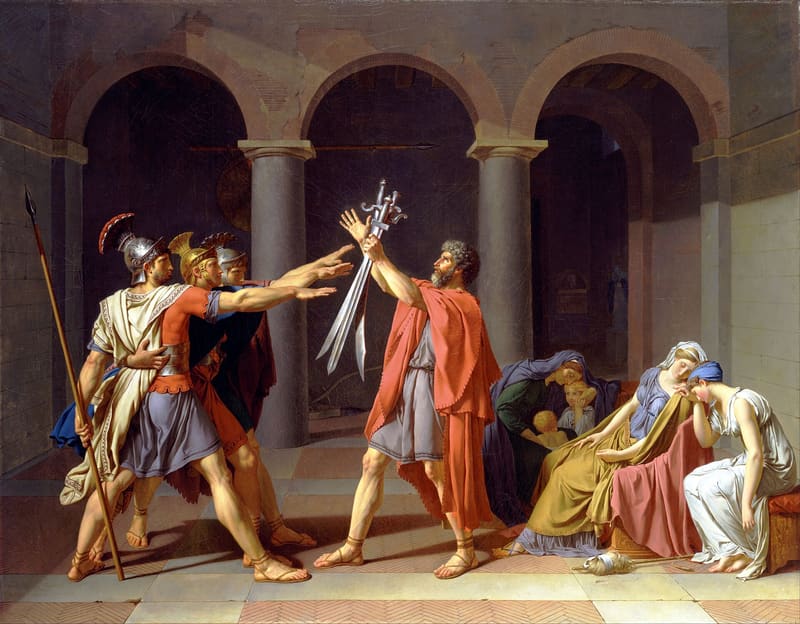
Neoclassicism c. 1760–1830 How Neoclassicism revived the art of ancient Greece and Rome in the age of revolution, and its key artists, from Jacques-Louis David to Antonio Canova.
-
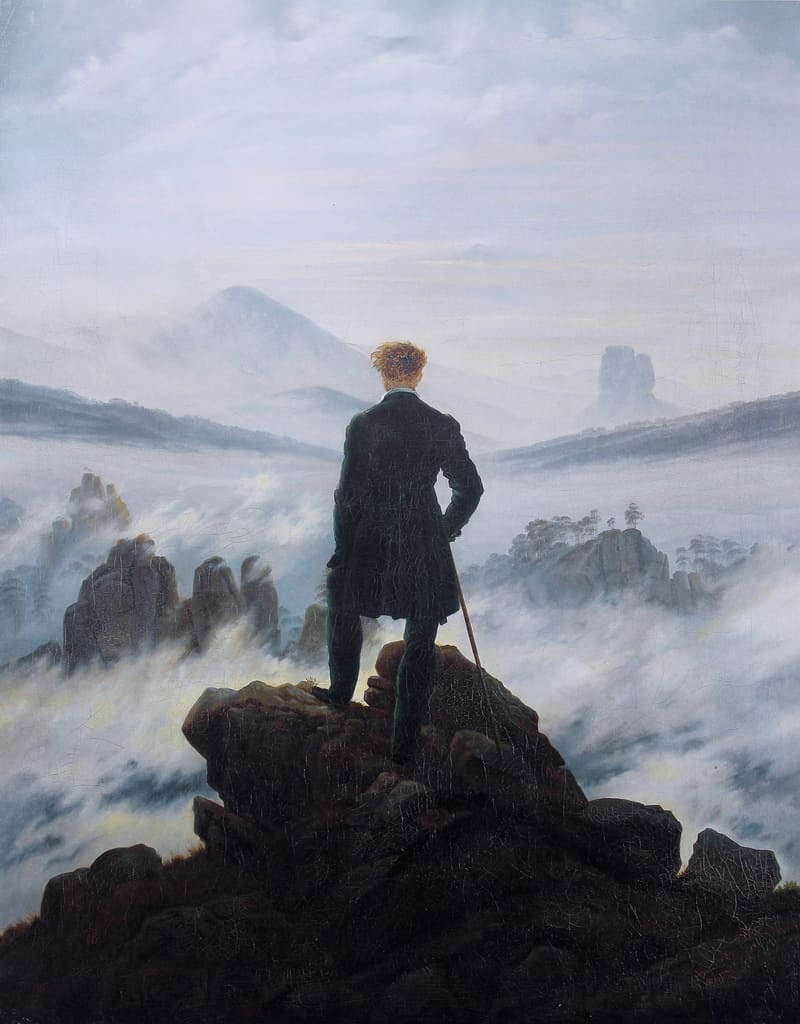
Romanticism c. 1790–1850 How Romanticism swept European art from the 1790s, why it prized emotion and the sublime over reason, and its key artists, from Friedrich to Delacroix.
-
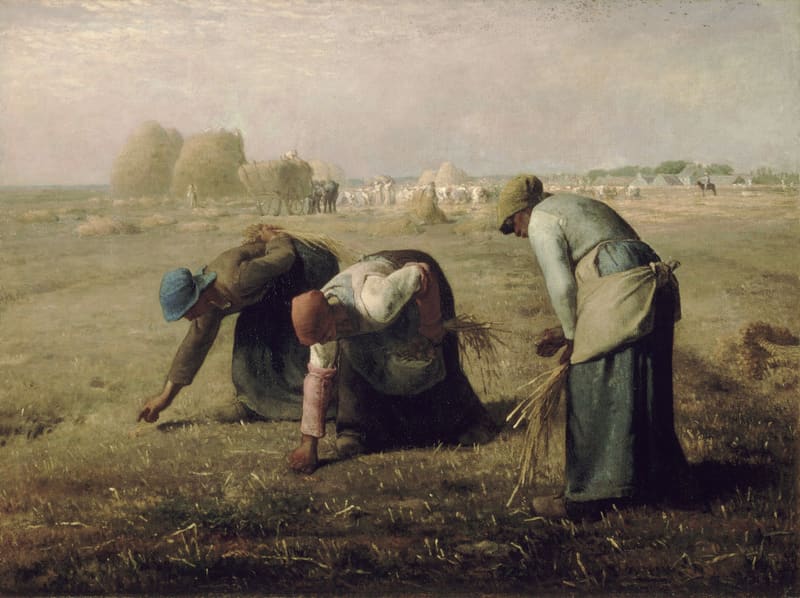
Realism c. 1840–1880 How the Realism movement began in 1840s France, why painting ordinary workers and peasants shocked the art world, and its key artists, from Courbet to Millet.
-
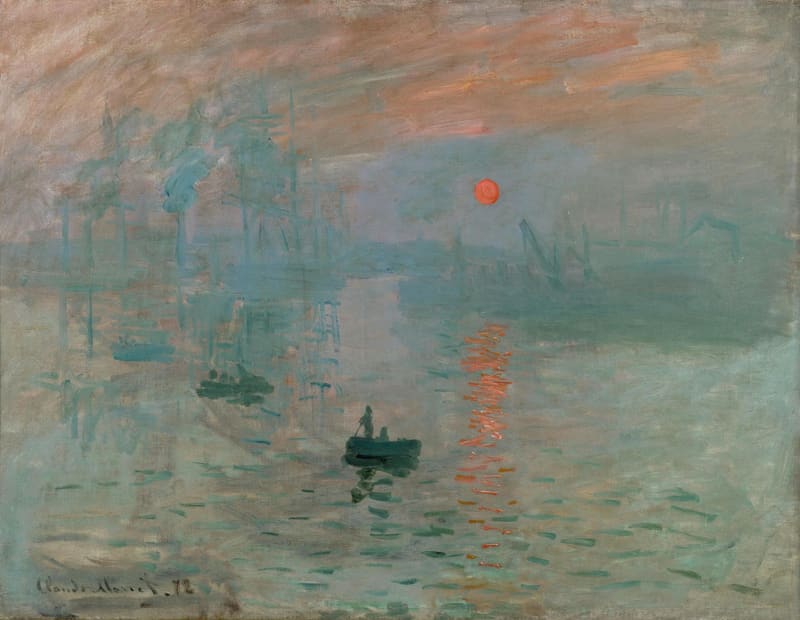
Impressionism c. 1867–1886 How Impressionism began in 1870s Paris, the techniques that defined it, and the artists and paintings you should know, from Monet and Renoir to Morisot.
-
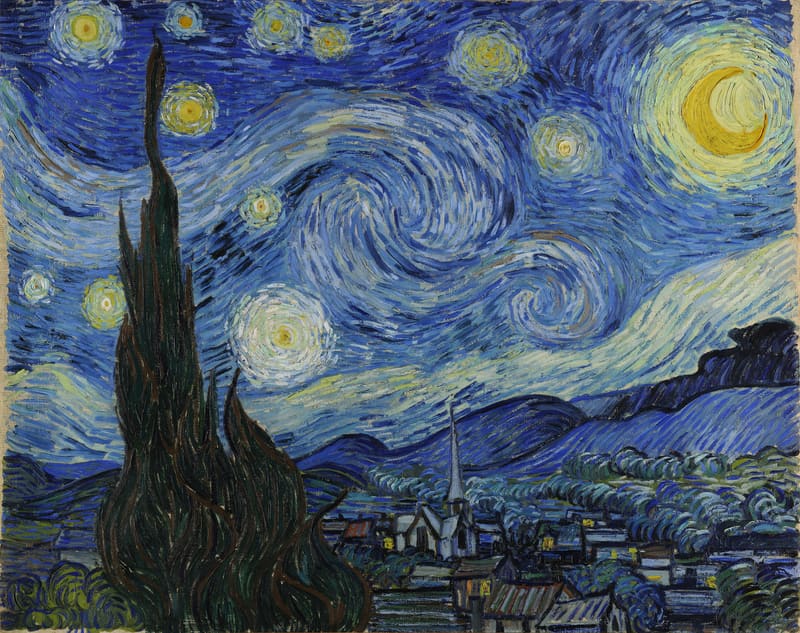
Post-Impressionism c. 1886–1905 What Post-Impressionism is, how Cézanne, Van Gogh, Gauguin and Seurat each pushed past Impressionism, and how their work led straight to modern art.